
























Activities with Elephants

Activities with Elephants in Chitwan: A Journey into Nepal’s Wild Heart
Chitwan National Park, nestled in the lush Terai region of Nepal, is a UNESCO World Heritage Site renowned for its biodiversity and conservation efforts. Among its many attractions, the opportunity to engage in activities with elephants offers visitors a unique blend of adventure, cultural immersion, and ethical wildlife interaction. This article explores the range of elephant-related activities in Chitwan, highlighting responsible tourism practices that prioritize animal welfare and environmental sustainability.
Why Chitwan for Elephant Activities?
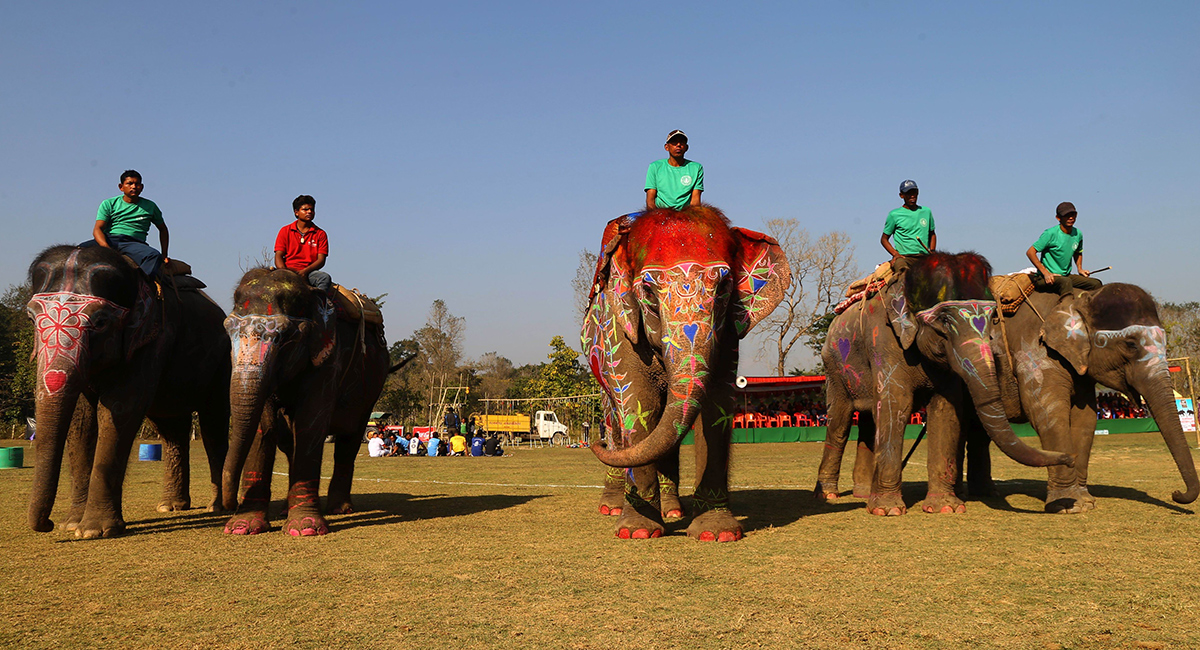
Chitwan, meaning “Heart of the Jungle,” is home to a significant population of Asian elephants, both wild and domesticated. The park’s subtropical forests, grasslands, and rivers create an ideal habitat for these majestic creatures. For centuries, elephants have been integral to the local Tharu culture, used historically for transportation, logging, and ceremonial purposes. Today, tourism in Chitwan has shifted toward ethical interactions, offering visitors a chance to learn about elephants while supporting conservation and community initiatives.
Top Elephant Activities in Chitwan
1. Elephant Bathing
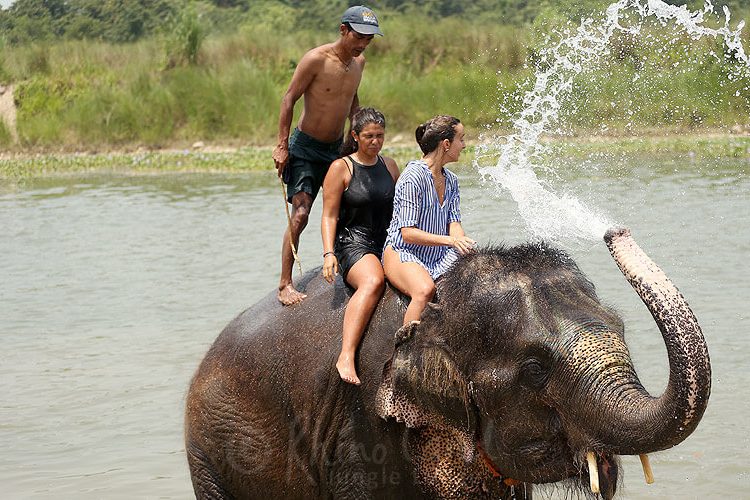
One of the most joyful experiences in Chitwan is elephant bathing, typically offered in the Rapti River. Visitors can join mahouts (elephant caretakers) in the water, helping to splash and scrub the elephants as they enjoy a refreshing bath. This hands-on activity allows you to bond with these gentle giants while observing their playful behavior up close.
- What to Expect: You’ll wade into the river alongside the elephant, using water and soft brushes to clean its skin. Elephants often spray water with their trunks, adding a fun and interactive element.
- Ethical Note: Choose operators that limit bathing sessions to ensure the elephants aren’t overworked and that the activity is conducted in a natural, stress-free environment.
- Where: Resorts and lodges near Sauraha, such as Green Park Chitwan, often organize bathing sessions.
- Cost: Approximately NPR 2,000–3,500 ($15–$25 USD) per person, depending on the operator.
2. Elephant Sanctuary Visits
Several sanctuaries and breeding centers in Chitwan focus on elephant welfare and conservation. The Elephant Breeding Center in Sauraha, established to support the captive elephant population, allows visitors to observe elephants in a semi-natural environment and learn about their biology, diet, and care.
- What to Expect: Guided tours provide insights into elephant reproduction, training, and the challenges of maintaining a healthy captive population. You may see baby elephants, which are a highlight for many visitors.
- Ethical Note: Ensure the sanctuary prioritizes elephant health, with spacious enclosures, proper nutrition, and no forced interactions. Avoid facilities that promote riding or unnatural performances.
- Where: The Elephant Breeding Center is located near Sauraha, a short walk or jeep ride from most accommodations.
- Cost: Entry fees are around NPR 50–100 for locals and NPR 500–1,000 ($4–$8 USD) for foreigners.
3. Elephant-Back Jungle Walks (With a Shift to Alternatives)
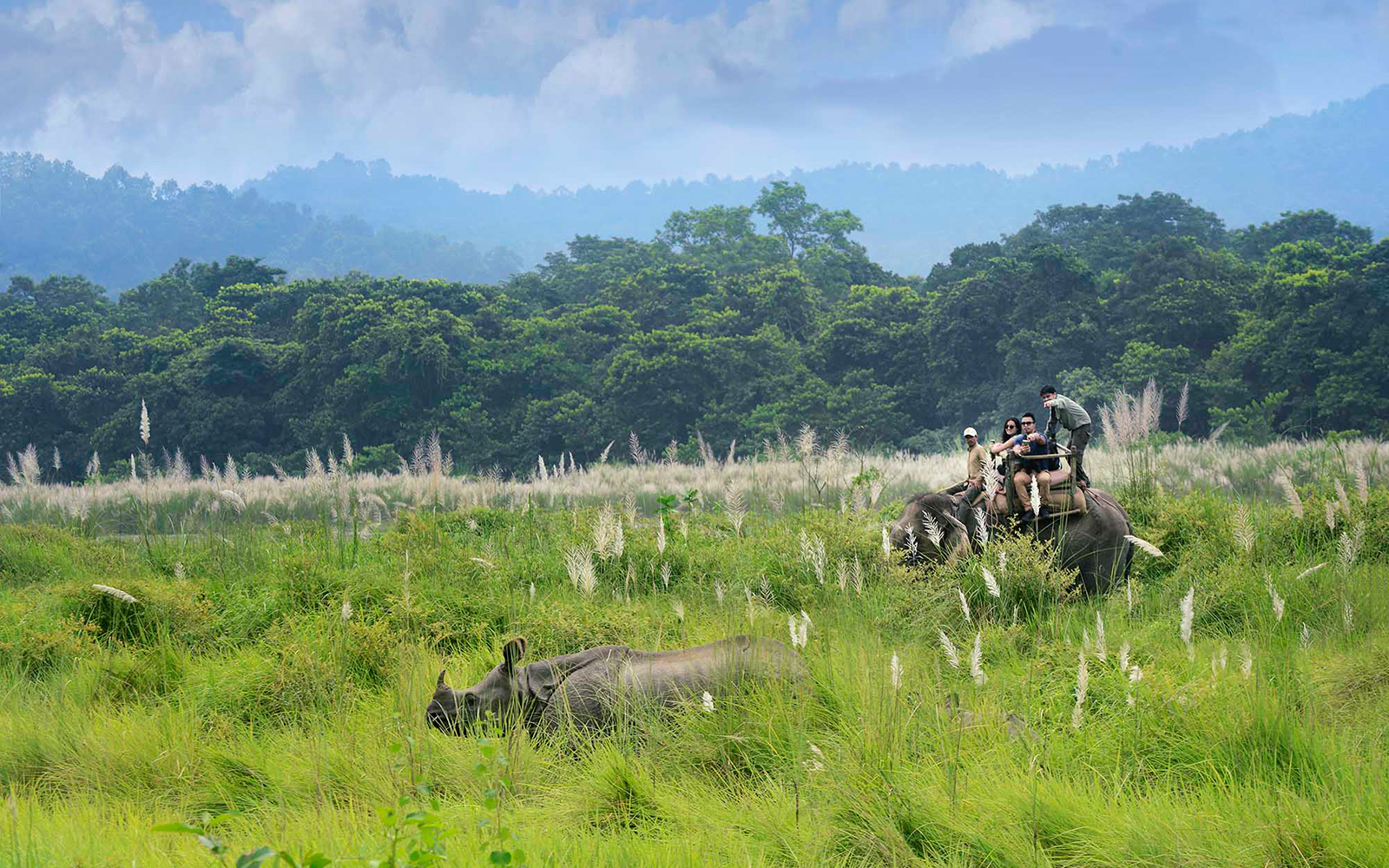
Historically, elephant-back safaris were popular in Chitwan for exploring the park’s wildlife, including rhinos, deer, and tigers. However, due to growing concerns about animal welfare, many operators now encourage alternatives like jeep safaris or walking tours with trained guides.
- What to Expect: If you choose an elephant-back walk, you’ll ride in a howdah (seat) as the elephant navigates jungle trails. However, jeep safaris or canoe trips offer similar wildlife viewing opportunities with less impact on the elephants.
- Ethical Note: Many organizations, including animal welfare groups, advocate against riding due to potential stress and physical strain on elephants. Opt for operators offering observation-based activities instead.
- Where: Tours start from Sauraha or Meghauli.
- Cost: Jeep safaris cost around NPR 2,500–4,000 ($20–$30 USD) per person, while elephant-back rides (if available) may be slightly more expensive.
4. Learning About Mahout Life
For a deeper cultural experience, some programs allow visitors to spend a day with a mahout, learning about their bond with elephants and their daily routines. This activity offers a glimpse into the traditional knowledge and skills passed down through generations.
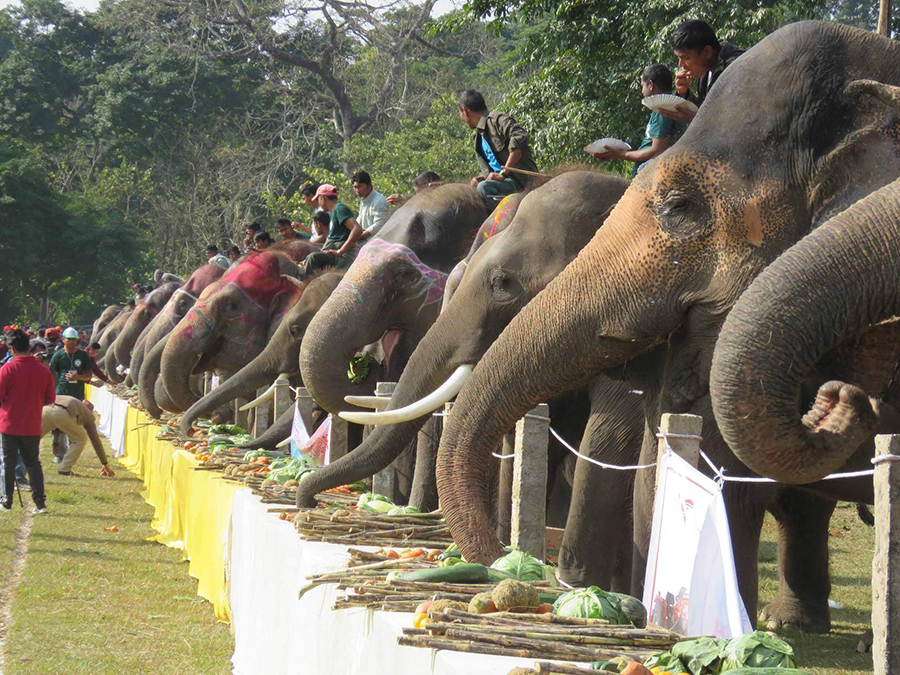
- What to Expect: You’ll shadow a mahout, helping with tasks like preparing elephant food (bananas, sugarcane, or grass bundles), cleaning enclosures, or learning basic commands. The experience often includes storytelling about the mahout-elephant relationship.
- Ethical Note: Choose programs that treat mahouts fairly and ensure elephants are not overworked or chained for long periods.
- Where: Local guesthouses or eco-tour operators in Sauraha arrange these immersive experiences.
- Cost: Around NPR 3,000–5,000 ($25–$40 USD) for a half-day program.
5. Conservation and Volunteering Programs
For those passionate about wildlife, Chitwan offers volunteering opportunities with organizations focused on elephant conservation. These programs combine education, hands-on work, and community engagement to support sustainable tourism.
- What to Expect: Activities may include monitoring wild elephant populations, assisting with habitat restoration, or educating visitors about ethical tourism. Some programs also involve working with local communities to reduce human-elephant conflict.
- Ethical Note: Verify that the organization is reputable, with transparent goals and a focus on long-term conservation rather than short-term tourist entertainment.
- Where: Contact groups like the Nepal Trust or local NGOs through your accommodation for opportunities.
- Cost: Varies widely, from free short-term activities to paid programs costing $100–$500 USD for extended stays.
Ethical Considerations for Elephant Activities
As awareness of animal welfare grows, Chitwan’s tourism industry is adapting to prioritize ethical practices. Here are key considerations to ensure your elephant experience aligns with responsible tourism:
- Avoid Cruel Practices: Steer clear of activities that involve riding with heavy howdahs, chaining, or forcing elephants to perform tricks. These can cause physical and psychological harm.
- Choose Reputable Operators: Research lodges, tour companies, or sanctuaries that follow guidelines from organizations like the World Animal Protection or the Nepal Tourism Board.
- Support Conservation: Opt for activities that fund elephant care, habitat preservation, or community projects. Your tourism dollars can make a difference when directed to ethical providers.
- Respect Wild Elephants: If you encounter wild elephants during a safari, maintain a safe distance and follow your guide’s instructions to avoid disturbing them.
Tips for Planning Your Elephant Adventure
- Best Time to Visit: The dry season (October to March) offers pleasant weather and better wildlife viewing, though elephant activities are available year-round.
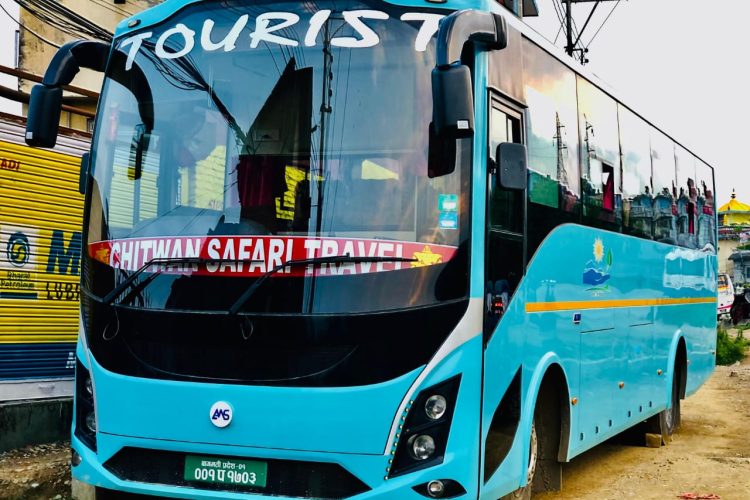
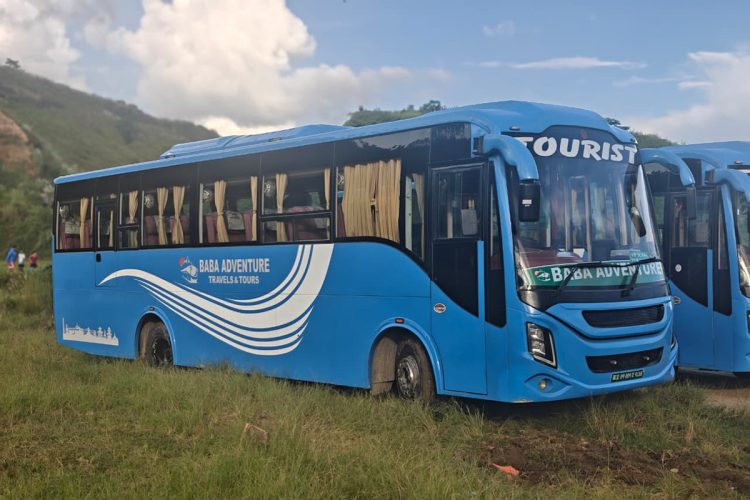
- Getting There: Chitwan is accessible by a 5–6 hour bus ride from Kathmandu or Pokhara (NPR 800–1,500, $6–$12 USD) or a 25-minute flight to Bharatpur (around $100 USD).
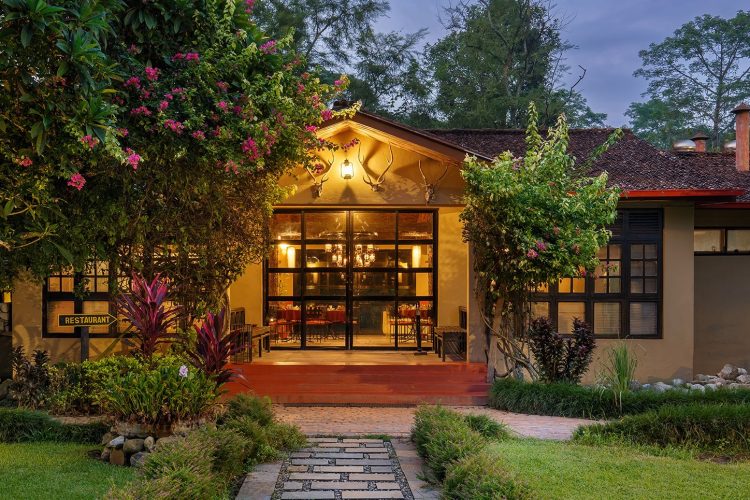
- Accommodation: Sauraha offers budget guesthouses (NPR 1,000–2,000 per night) and luxury lodges like Barahi Jungle Lodge ($100–$200 USD per night), many of which organize elephant activities.
- What to Bring: Comfortable clothing, water shoes for bathing, sunscreen, insect repellent, and a camera for capturing memorable moments.
- Cultural Sensitivity: Respect the Tharu community’s traditions and the mahouts’ expertise. Ask permission before photographing people or their elephants.
Why These Activities Matter
Engaging with elephants in Chitwan is more than just a tourist activity—it’s a chance to connect with Nepal’s natural and cultural heritage. By choosing ethical operators and supporting conservation efforts, you contribute to the well-being of these incredible animals and the communities that depend on them. Whether you’re splashing in the Rapti River or learning from a mahout, your experience in Chitwan will leave you with a deeper appreciation for the delicate balance between humans, wildlife, and the environment.
Plan your trip thoughtfully, and let Chitwan’s elephants inspire you with their strength, intelligence, and grace.




Service Providers